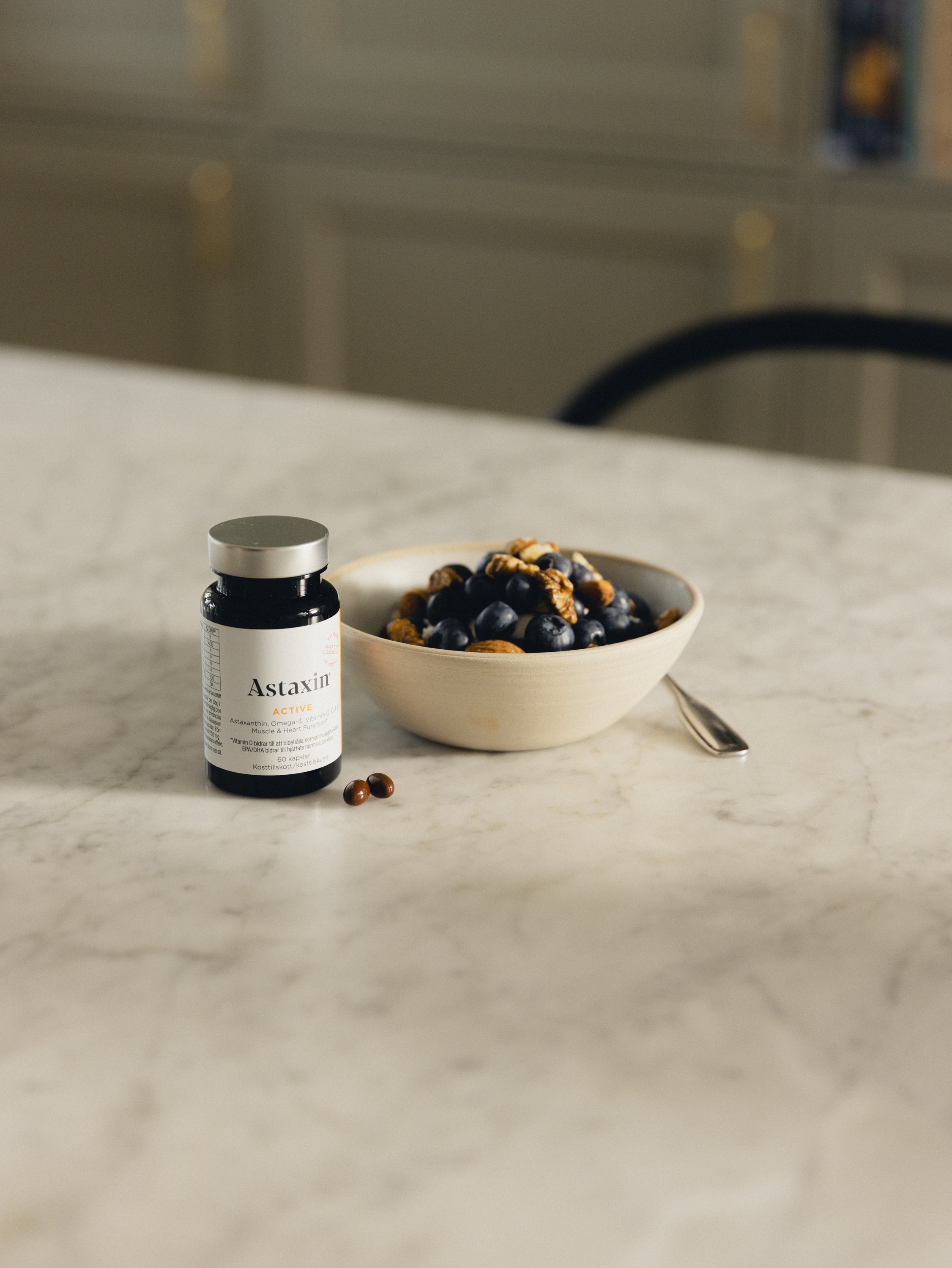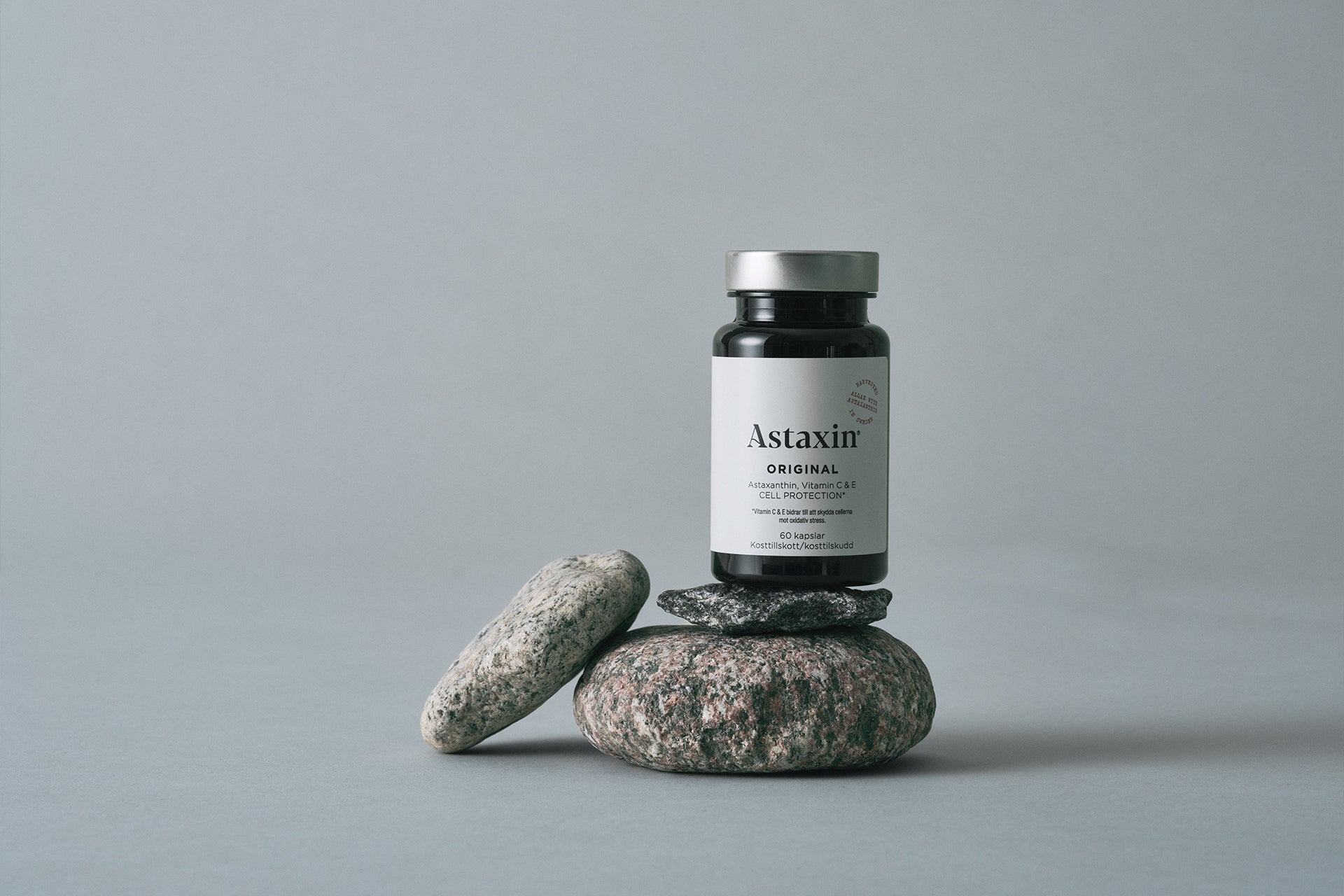


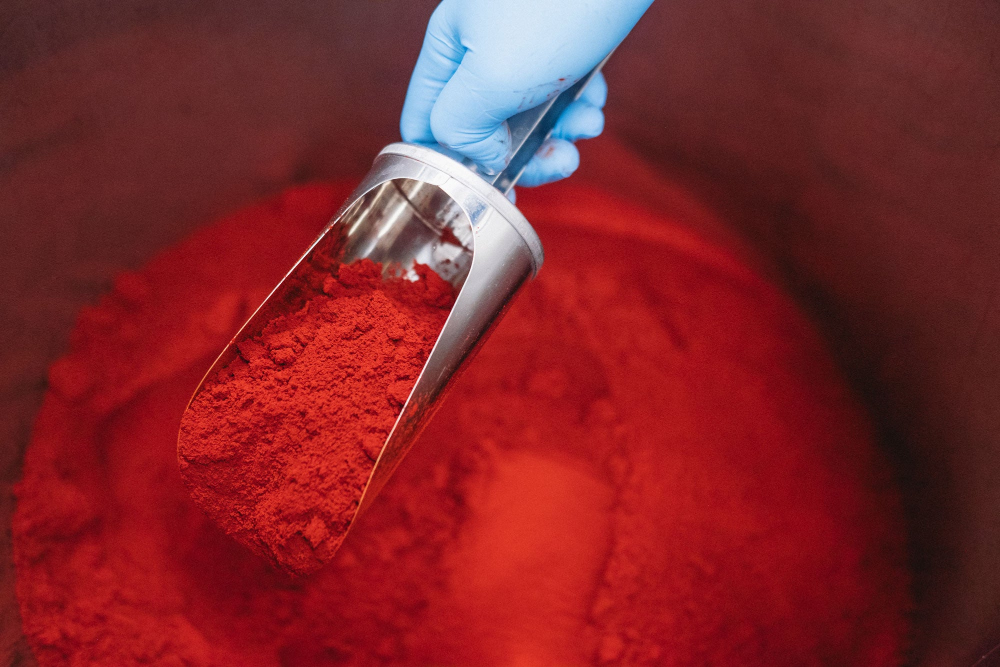
In addition to dietary supplements, astaxanthin is also found in algae, fish, and shellfish. Studies have shown that astaxanthin may have positive effects on our health. Here's a summary of everything you need to know about the antioxidant astaxanthin.
What is Astaxanthin?
Astaxanthin belongs to the group of carotenoids, which are organic fat-soluble vitamins and pigments found in nature, for example in algae, fish, shellfish, and flamingos. They all eat algae containing astaxanthin, which contributes to their red color. Some more specific examples include salmon, crab, and lobster. Purified astaxanthin has a strong red color.
How does Astaxanthin work in the body?
Structurally, astaxanthin resembles a fatty acid. Both astaxanthin and other carotenoids are absorbed along with fat in the intestine. It is therefore best to consume astaxanthin with a meal containing fat, as a low fat intake significantly impairs absorption.
There are no documented side effects of astaxanthin at the recommended intake level and when consumed with food. Studies have shown that the best absorption is achieved by taking astaxanthin together with omega-3 rich foods such as fatty fish, walnuts, flaxseed oil, and rapeseed oil.
Astaxanthin is an antioxidant that can neutralize harmful free radicals that can cause oxidative stress. Several studies have shown that astaxanthin may have potential health benefits, including preventing the oxidation of fatty acids.
Curious to know more? Contact us and we will tell you more!